Hai Mark Line Home

Category

Port Operations & Logistics

5 articles

Phantom Visibility: Why Your Container's GPS Signal Is No Guarantee It Will Arrive on Time

Phantom Visibility: Why Your Container's GPS Signal Is No Guarantee It Will Arrive on Time

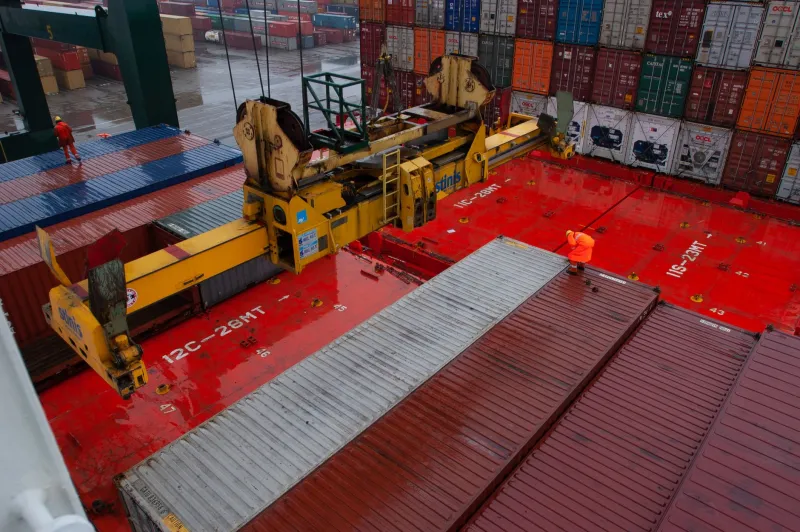
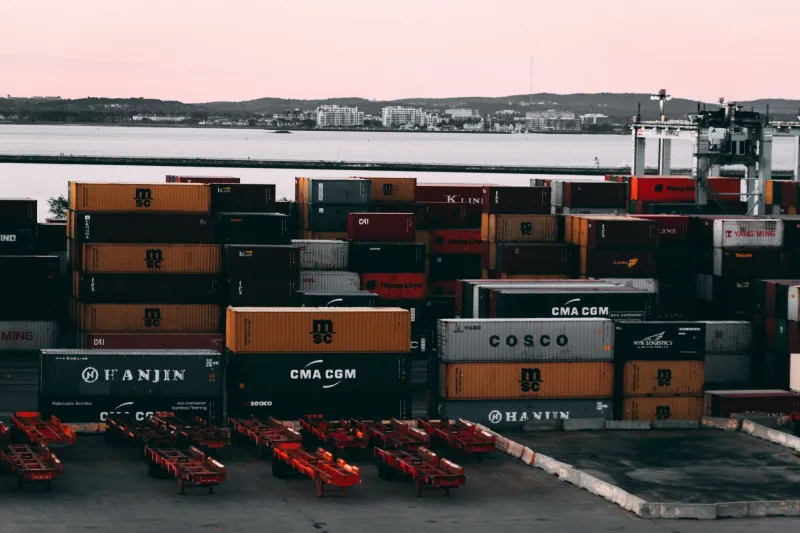
GPS tracking on shipping containers has given US importers a false sense of control over their cargo. The technology promises end-to-end visibility, but inside America's busiest port terminals, containers routinely vanish from tracking systems for hours or even days. Understanding where the data breaks down—and what to demand from logistics partners—may be the most important operational decision an importer can make.

Vessel Arrival Data: The Warehouse Location Variable Most US Importers Are Ignoring

Vessel Arrival Data: The Warehouse Location Variable Most US Importers Are Ignoring

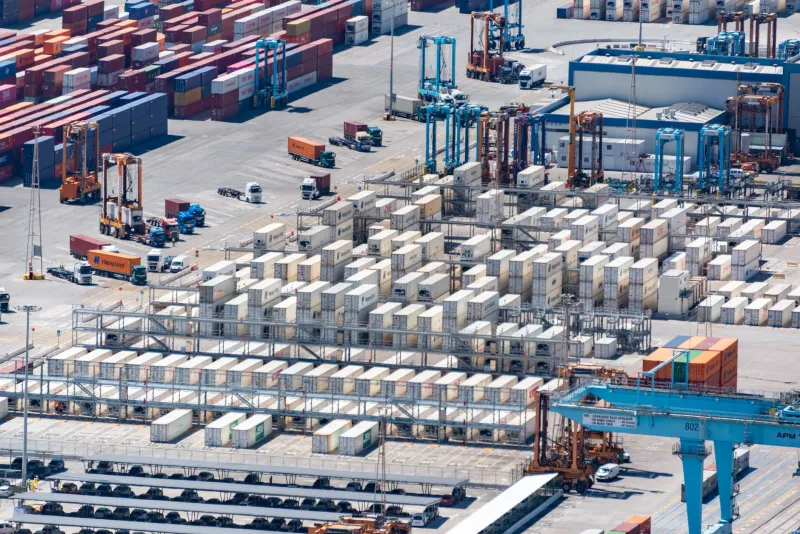
Labor costs and real estate prices dominate most warehouse site selection conversations, but a growing body of evidence suggests that vessel arrival unpredictability is the variable with the greatest impact on total logistics cost. US importers who align their warehousing strategy with predictive shipping schedules and port congestion data are reporting margin improvements of 8 to 15 percent — and the methodology is more accessible than most supply chain teams realize.

Drayage in Distress: How the Port-to-Warehouse Gap Is Draining Importer Margins — and What to Do About It

Drayage in Distress: How the Port-to-Warehouse Gap Is Draining Importer Margins — and What to Do About It

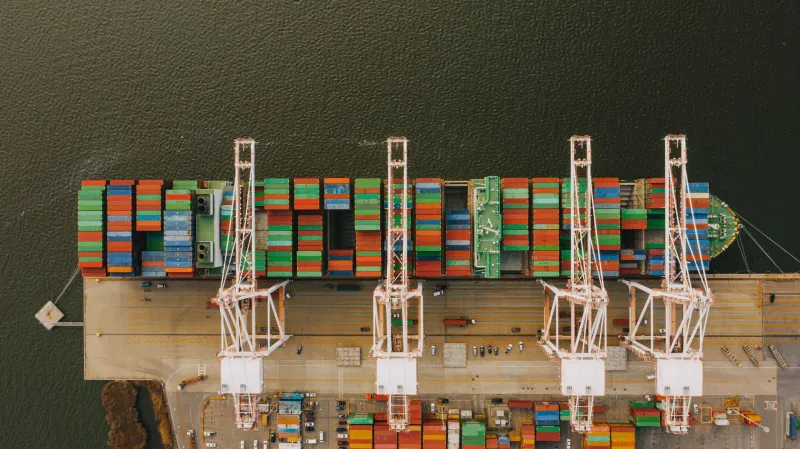
Drayage — the short-haul trucking segment connecting ports to warehouses and distribution centers — has quietly become one of the most volatile cost centers in the US import supply chain. A convergence of driver shortages, aging chassis fleets, and erratic port congestion is pushing rates to levels that mid-market importers can no longer absorb. This analysis breaks down the economics of drayage, explains why the next 18 months may be the most turbulent yet, and offers concrete strategies for sh

Rivers as Runways: How Inland Waterway Networks Are Rewriting US Port Strategy

Rivers as Runways: How Inland Waterway Networks Are Rewriting US Port Strategy

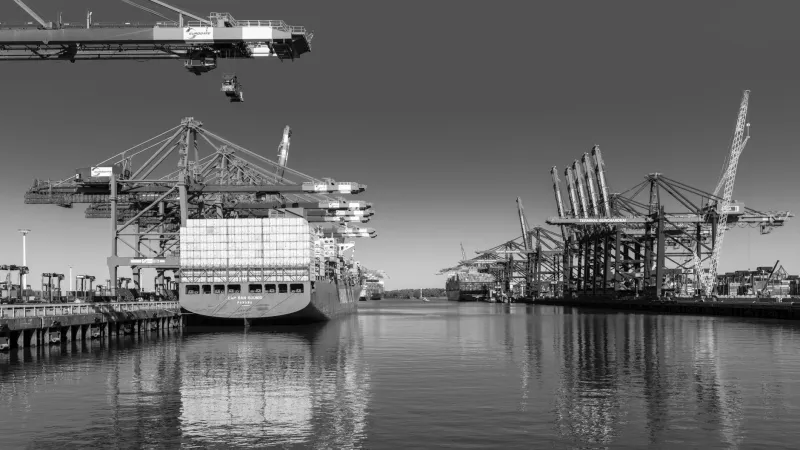
As coastal ports strain under record cargo volumes and chronic congestion, a quieter revolution is unfolding along America's inland waterways. Barge corridors, river terminals, and Great Lakes gateways are emerging as viable alternatives—offering importers and exporters measurable gains in cost efficiency and transit predictability. This analysis examines how forward-thinking logistics operators are redirecting freight flows away from overburdened coastal hubs.

Bottlenecks and Breakpoints: How America's Busiest Ports Are Forcing a Supply Chain Reckoning

Bottlenecks and Breakpoints: How America's Busiest Ports Are Forcing a Supply Chain Reckoning

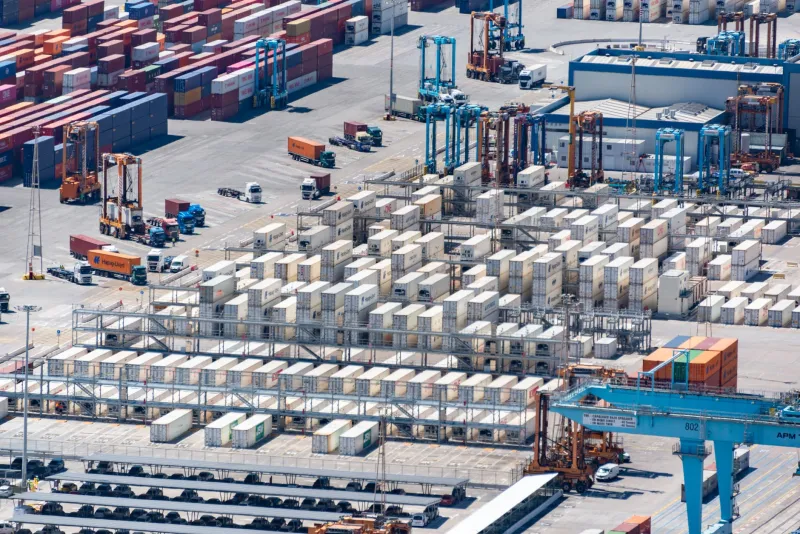
Persistent congestion at the Port of Los Angeles, Long Beach, and the Port of Newark continues to strain cargo timelines and inflate costs for US importers and exporters alike. As 2024 unfolds, shippers are no longer simply waiting out the delays — they are fundamentally restructuring how, where, and when they move goods. This analysis examines the root causes, the ripple effects across the supply chain, and the strategic pivots that forward-thinking businesses are making right now.